Punjab deserves a trip with more space than a quick monument-and-meal checklist. Amritsar is a natural starting point, but even within the city, a thoughtful visit depends on pacing: time for a sacred place, time to understand its setting and time to notice the streets between planned stops. A few unhurried experiences can leave a stronger impression than a long list rushed through in a single day.
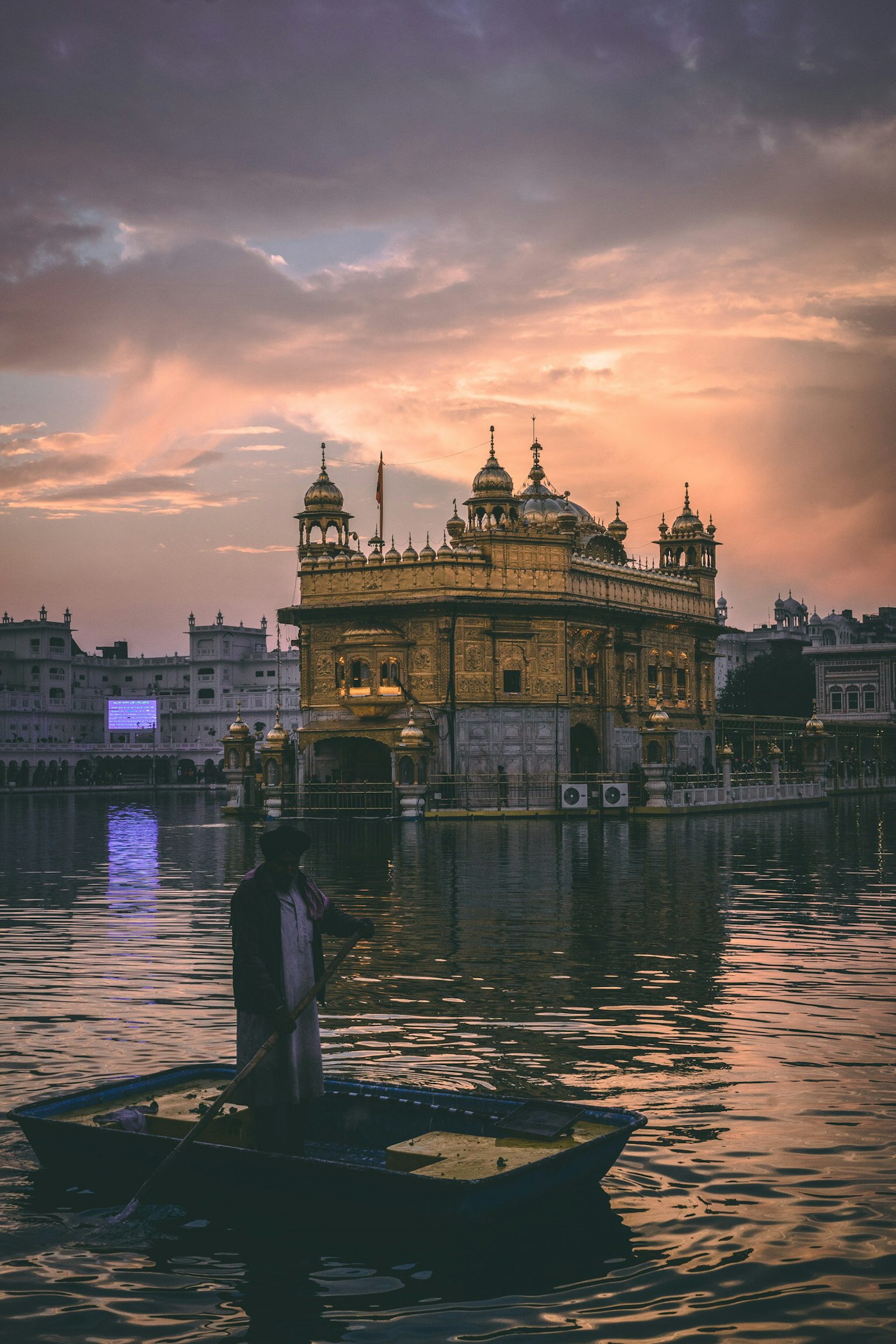
Sri Harmandir Sahib, also known as the Golden Temple, is central to many visitors’ plans. It is a living place of Sikh worship, not simply an architectural attraction. Approach it with that understanding, and let the needs of the place shape your behaviour and your schedule.
Make the sacred visit your main commitment
Before arrival, read the SGPC guidance for pilgrims. Visitors should follow the requirements for covering the head, removing footwear and maintaining respectful conduct. Check the current instructions on site rather than assuming every detail from a previous traveller’s account remains applicable.
Give the visit enough time that a queue does not feel like an interruption. Do not attach an ambitious sequence of timed activities immediately afterwards. If members of your group have different walking or waiting needs, discuss them before entering and ask staff about the available arrangements.
Understand langar and seva with humility
Langar, the shared community meal, and seva, voluntary service, are meaningful parts of Sikh practice. If participating, follow the volunteers’ directions, take only what you can eat and be considerate of the people serving and sitting nearby. There is no need to turn the meal into a spectacle or to measure its importance through an unverified daily attendance figure.
If you hope to help, ask where assistance is useful rather than stepping into an activity without instruction. Observation can also be respectful participation: watching how people organise a shared task may teach more than trying to record everything. The experience is about people and service, not collecting an unusual travel moment.
Put attention before the camera
Photography rules can differ between areas and change over time. Read notices and follow staff directions. A visible camera in someone else’s photograph does not establish permission for your own recording. Do not interrupt worship, obstruct circulation or use a long lens to make close portraits of strangers without their consent.
When photography is permitted, favour a few considered frames over continuous filming. Pay attention to how reflections, architecture and the movement of people relate to one another. Then spend part of the visit without a camera in your hands. Quiet observation is often the strongest memory to carry home.
Explore the city at a human pace
Allow time between major stops to experience the surroundings on foot where practical. Choose a short route you can comfortably retrace, keep a meeting point for your group and avoid assuming that a vehicle can reach every narrow lane. A local guide can add context, especially when the history of a street or building is not obvious from its appearance.
Build food stops around curiosity rather than claims about a single must-visit establishment. Ask what is being prepared, choose portions that let you try different things and explain dietary requirements clearly. Leave room to sit down and rest instead of treating every meal as something to consume between appointments.
Look beyond a postcard version of Punjab
If your trip includes a village or rural stay, arrange it with a host who understands what you want to learn. Farms and homes are working, private spaces. Ask before entering fields, photographing families or joining an activity. A seasonal crop view is not guaranteed simply because it appears in promotional photographs.
The most useful conversations often begin with ordinary questions: what changes through the year, how a household plans its work, or which local places the host values. Listen without expecting every person to represent an entire state or culture. Hospitality is a relationship to approach with gratitude and respect.
Keep the itinerary simple enough to enjoy
- Reserve generous time for Sri Harmandir Sahib and follow current visitor guidance.
- Plan meals and rest around the comfort of your whole group.
- Check access and schedules independently for any additional museum or organised event.
- Ask before photographing people or entering private rural spaces.
- Keep one part of the day open for an unexpected conversation or a longer pause.
For destination context, start with the Amritsar district’s introduction to Sri Harmandir Sahib. Then build a journey that gives those places room to be understood. Punjab becomes more memorable when it is encountered through attention, rather than reduced to a handful of familiar images.