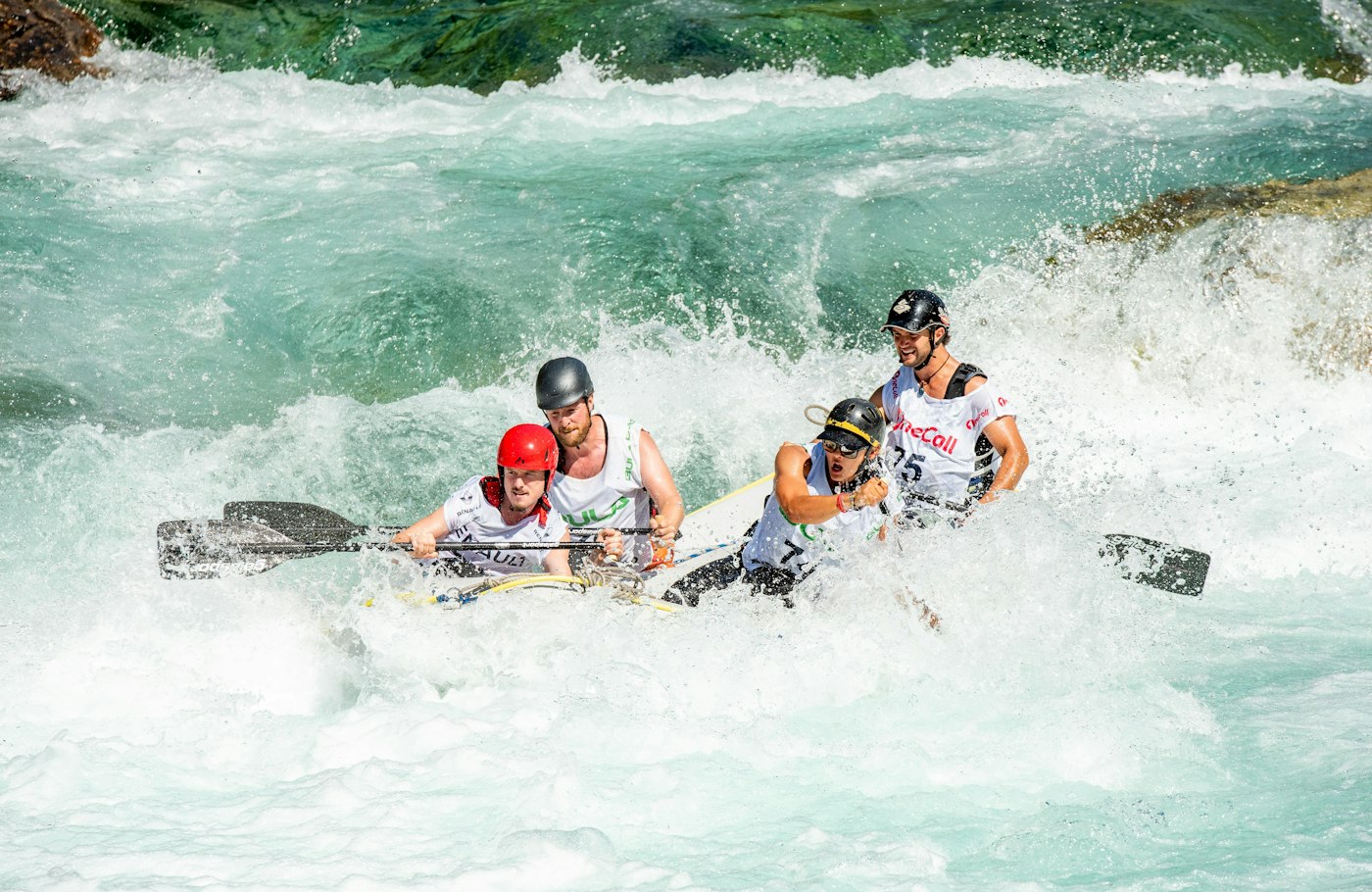
Kolad offers a different kind of escape from a city break: a journey organised around a river, a crew and the rhythm of paddling together. Maharashtra Tourism identifies the Kundalika near Kolad as one of the state’s rafting destinations. The experience can be exciting, but the best preparation starts well before you step into a raft.
This guide is about planning a guided outing, not teaching white-water technique. River conditions, operating decisions and participant suitability belong with the qualified team running the trip. Do not treat an old itinerary, a social-media clip or a promised rapid grade as a guarantee of what will happen on your travel date.
Understand what you are booking
A rafting package can include several separate services: the river session, transport between the meeting point and river, meals, photographs or an overnight stay. Ask the operator to list these clearly. An inexpensive headline price may describe only the activity, while a resort package may include things your group does not need.
Use Maharashtra Tourism’s adventure overview as a starting point for the destination, then ask the operator for current operating information. Confirm the meeting time directly rather than relying on claims that water releases or departures always happen at a fixed hour.
Choose a team before choosing a deal
Ask who leads the raft, what training the guides have, what equipment is supplied and how the operator decides whether conditions are suitable. A responsible team should be able to explain its briefing, communication and emergency arrangements without dismissing your questions. Be cautious about promises that an outdoor activity is suitable for absolutely everyone.
Tell the operator about your group’s ages, experience and any relevant limitations before paying. Ask for its participation criteria and disclose anything requested by its screening process. If a health concern could affect participation, obtain individual advice from an appropriate clinician; a generic travel article cannot clear someone for rafting.
Give the journey enough time
The meeting point may be different from the place where you enter the river. Save both the contact number and a map location, and confirm parking or transfer arrangements. If travelling from a city, consider arriving nearby the previous evening instead of making a long, hurried drive before an activity.
Keep the return plan flexible. A session can be delayed, shortened or cancelled when the team judges it necessary. Ask in advance what happens to your booking in those circumstances. Accept a changed plan rather than pressuring a guide to proceed because the group has already travelled a long way.
Pack for the activity you will actually do
- Clothing: Follow the operator’s kit list and choose items that remain comfortable when wet.
- Footwear: Confirm which secure footwear is accepted; loose shoes can become a distraction.
- Dry essentials: Keep a change of clothes and a towel at the agreed storage point.
- Valuables: Leave unnecessary electronics and jewellery behind rather than assuming a small pouch will protect them.
- Camera plans: Ask whether recording is allowed and who is responsible for securing the device.
Check where bags will be kept and whether changing facilities are available. These details can make a bigger difference to the day than an extra item on a resort activity list.
Make the briefing part of the experience
Listen closely when the guides fit equipment and explain commands. Ask them to repeat anything you do not understand. The group needs a shared understanding of how to sit, hold equipment and respond to instructions; this is not the moment to focus on filming a dramatic introduction.
Once on the river, follow the crew’s instructions throughout. Avoid improvising rescue techniques from online advice or copying behaviour seen in someone else’s video. If you feel uncomfortable, communicate with the guide early. Good teamwork includes speaking up, not simply appearing confident.
Leave room for a quieter finish
After the session, allow time to change, eat and rest before travelling onward. Keep any additional outdoor activities optional. A relaxed meal and a short permitted walk can provide a useful contrast to the concentration required on the river.
The best Kolad plan is one that remains worthwhile even if the river schedule changes. Choose clear communication, sensible travel buffers and an operator whose decisions you trust. The aim is to return with a good shared experience, rather than to force a particular version of the day.